







Pakistan on Wednesday condemned the Houthis’ recent threats to Saudi Arabia and to trading with the kingdom via the Red Sea, warning that it had the right to self-defence if its “maritime interests” were targeted in “any hostile act”.
Islamabad’s statement comes after Yemen’s Houthi rebels, aligned with Iran, announced an immediate maritime embargo on Saudi Arabia, opening a new front in the Middle East conflict.
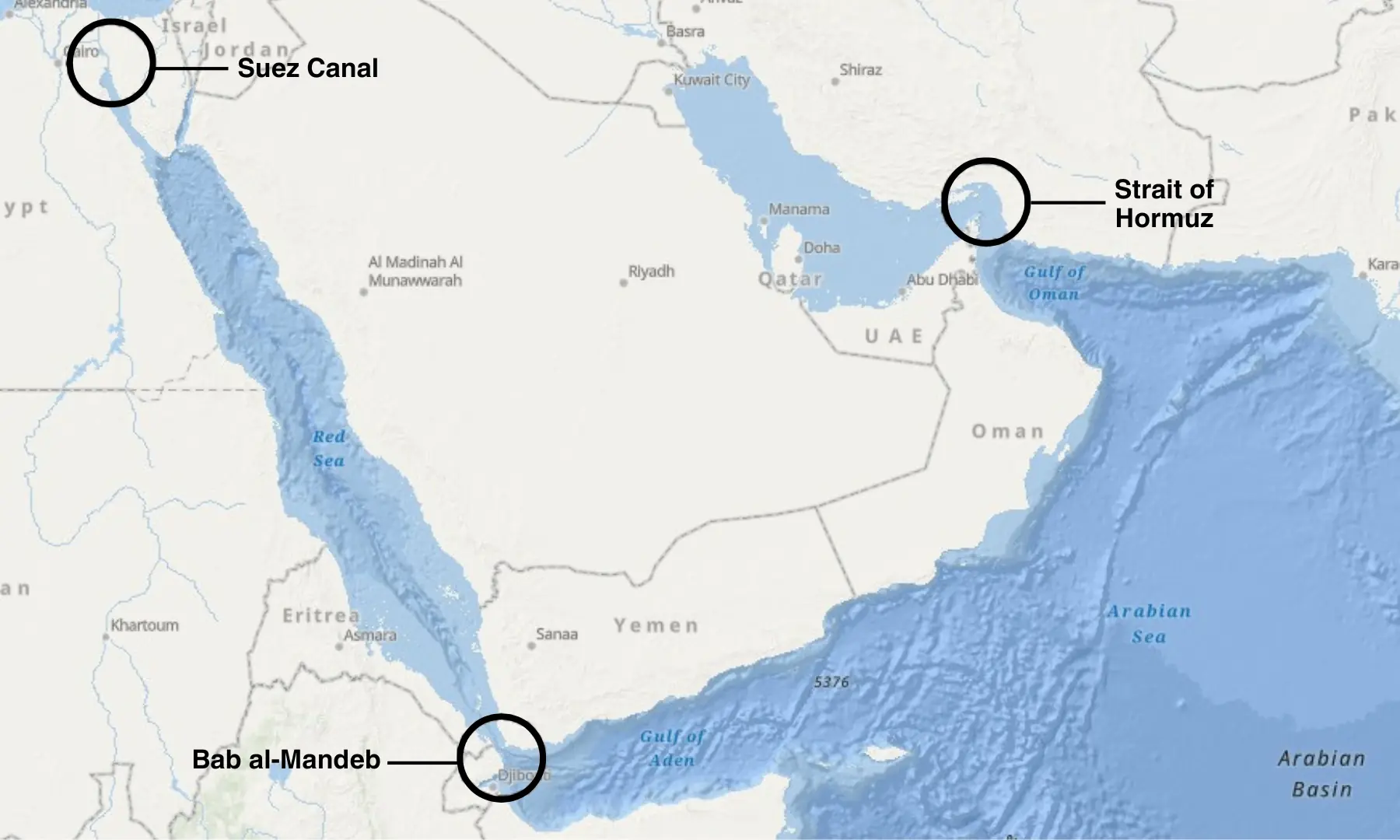
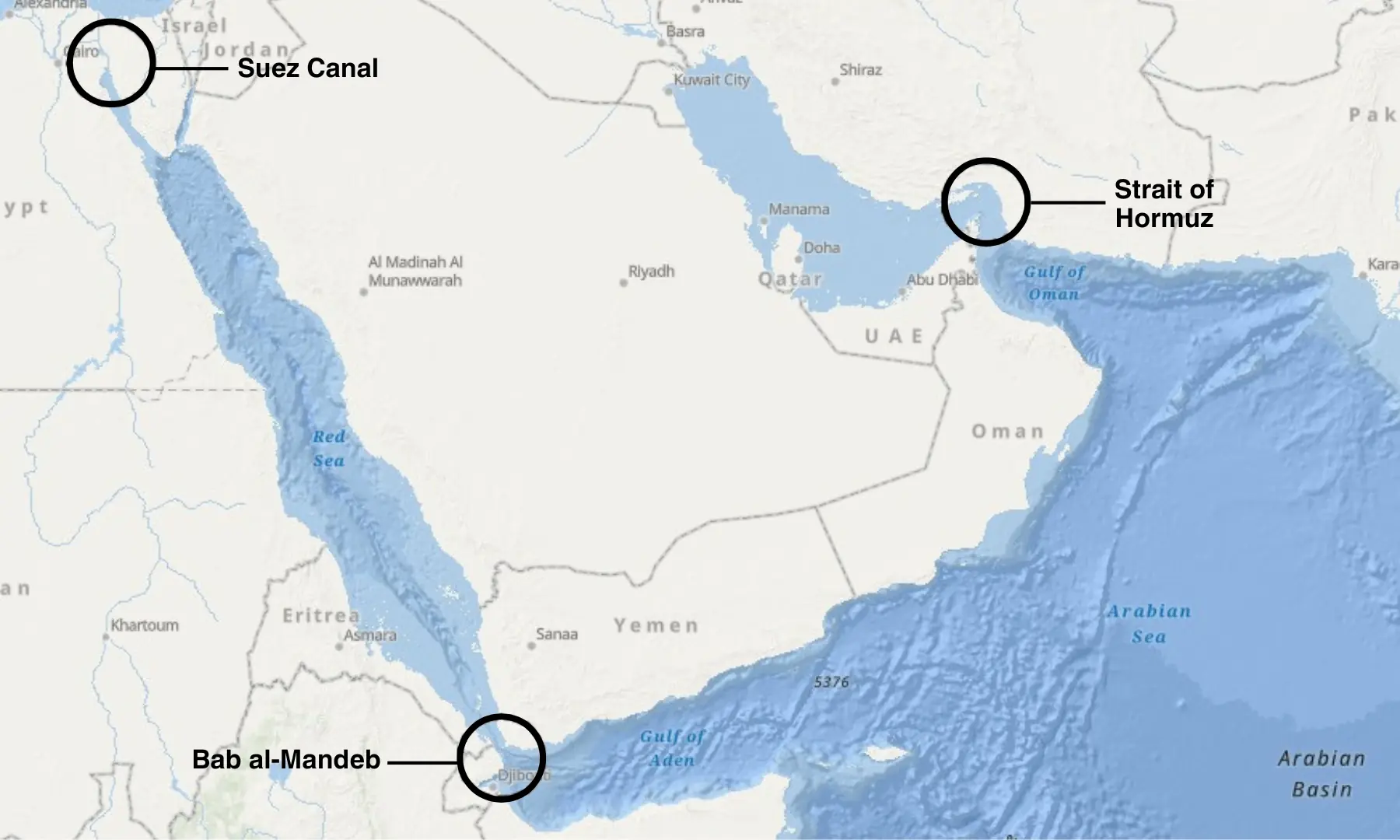
The naval blockade, if enforced, could cut off access to Saudi Arabia’s Red Sea ports, which have been vital for oil exports as renewed US-Iran fighting limits passage through the Strait of Hormuz.
“Threats against commercial shipping and trading with the Kingdom of Saudi Arabia are unacceptable and violate established principles of international law,” the Foreign Office (FO) said in a statement on Wednesday, denouncing the “continued threats” by Houthis.
Islamabad said it was “particularly concerned by reports of threats directed against vessels engaged in lawful commercial trade” with Saudi Arabia.
“Such actions threaten regional security, undermine freedom of navigation, challenge the rules-based maritime order and jeopardise uninterrupted flow of global commerce,” the FO highlighted.
Furthermore, it declared that “any hostile act against Pakistani-flagged vessels or Pakistani maritime interests will be regarded as a grave threat to Pakistan’s national security and sovereign interests”.
The FO warned that Pakistan reserved its right to “take all necessary measures, including lawful use of force, in the exercise of self-defence to protect its maritime assets and national interests”, consistent with the United Nations Charter and international law.
Pakistan also said it was “deeply concerned over attempts to drag” Saudi Arabia into the Middle East conflict, as fighting continues between the United States and Iran, which in turn has targeted American military sites in some Gulf countries.
Islamabad reiterated its “unwavering support for the security, sovereignty, territorial integrity and prosperity of the brotherly Kingdom of Saudi Arabia”.
“While remaining steadfast in its commitment to dialogue, diplomacy and regional de-escalation, Pakistan calls upon all parties to respect international law and ensure the safety and security of international maritime shipping,” the FO statement affirmed.
The FO also shared an Arabic version of the statement on its X account.
Houthis’ Monday announcement came after the group and Saudi Arabia traded fire last week for the first time in years, threatening a 2022 truce that has held despite expiring.
After Houthi fired missiles at Saudi Arabia on July 13, Prime Minister Shehbaz Sharif had expressed Pakistan’s strong condemnation of the “blatant attacks” against the kingdom, without further specifying the attacks.
Islamabad had also backed Riyadh at an emergency UN Security Council briefing on Yemen, calling for all parties concerned to resolve differences through dialogue and diplomacy.
Under a “Strategic Mutual Defence Agreement” signed between the two in September 2025, Pakistan and Saudi Arabia are to treat any attack on either nation as an act of aggression against both.
Pakistan and Saudi Arabia have maintained close defence and security ties for decades, and their cooperation has remained an important element of Islamabad’s regional diplomacy.
Pakistan had invoked the defence pact through diplomatic intervention in early March to help deter heavier Iranian strikes against Saudi Arabia.
Ships change course in Red Sea
While it remains unclear how the Houthis would enforce such a blockade, their threats have raised concerns about maritime security and energy shipping in the Red Sea.
Four tankers changed their navigational course in the Red Sea on Wednesday, with two signalling the Suez Canal as their new destination, Reuters reports, citing ship tracking data.
The vessels all changed their direction, with the other two signalling their destination as open waters in the Red Sea, according to LSEG and MarineTraffic ship tracking data and analysis from British maritime risk management group Vanguard.
A fifth ship, a vehicle carrier, appeared to have turned away in the Gulf of Aden on Wednesday after signalling the Saudi port of Jeddah as its next destination, according to shipping data.
On Tuesday, three oil tankers loaded with Saudi crude for China and India made U-turns in the Red Sea, heading towards the Suez Canal rather than braving the Yemeni coast at the sea’s mouth, Reuters reported.
The Houthis have previously tried to cut off shipping through the Red Sea, leveraging the Bab al-Mandeb strait, a chokepoint at its southern tip which vessels must navigate when travelling to or from the Suez Canal and the Mediterranean.
Saudi Arabia’s Red Sea port of Yanbu has been crucial for exporting oil, bypassing Iran’s effective closure of the Strait of Hormuz during its war with the United States.
Crude oil exports from Saudi Arabia fell for a third straight month in May to a record low, data from the Joint Organisations Data Initiative (JODI) showed on Tuesday, with the US-Iran conflict disrupting shipments across the Gulf.
Exports fell to about 3.434 million barrels per day in May, from 3.986m bpd in April.
US President Donald Trump said on Tuesday that his country would “take care of” the Houthis if they followed through on the threat to blockade Saudi Arabia’s ports.