






BMW Will Build a New Electric S.U.V. in South Carolina
The German company is doubling down on electric vehicles even as other automakers pull back after acknowledging billions of dollars in losses.
The German company is doubling down on electric vehicles even as other automakers pull back after acknowledging billions of dollars in losses.
KARACHI – The Senate Standing Committee on Petroleum on Tuesday reviewed the country’s fuel supply situation, energy security and key petroleum sector issues during a meeting held at the Pakistan State Oil (PSO) headquarters, with members expressing satisfaction over measures taken to ensure uninterrupted petroleum supplies amid regional challenges. The committee received a detailed briefing from PSO on its operational performance and fuel supply management in the wake of the Gulf conflict. Officials informed the meeting that disruptions caused by the closure of the Strait of Hormuz had affected regional supply chains, resulting in shortages of refined petroleum products, limited vessel availability and increased freight and procurement costs.
PSO informed the committee that it had addressed the challenges through alternative sourcing from regional and international markets, optimisation of supply operations, demand-based product redistribution, round-the-clock functioning at key installations and close coordination with regulatory and law enforcement agencies. The committee was also briefed on plans to strengthen strategic fuel reserves and long-term supply arrangements to enhance the country’s energy security. The committee also reviewed the Petroleum Division’s Public Sector Development Programme (PSDP) proposals for 2026-27. It was informed that no new projects had been approved during the current cycle, with allocations restricted to ongoing geological mapping activities.
Managing Director PARCO also briefed the committee on the LPG tanker explosion at an illegal decanting facility in Multan on January 27, 2025, which caused casualties, injuries and damage to private property. The committee was informed that PARCO Pearl Gas (Private) Limited had paid compensation to the affected families on humanitarian grounds. However, committee members questioned the description of the payments as humanitarian assistance, maintaining that the company bore responsibility as the principal entity that had engaged the third-party contractor involved in the incident. They also sought assurances regarding measures taken to prevent similar incidents in future. The PARCO managing director outlined a series of immediate, medium and long-term corrective measures, including the introduction of a vehicle tracking system across the fleet, improved tamper-evident seals, enhanced driver monitoring and strengthened route surveillance.
Chairman of the Oil Companies Advisory Council (OCAC) told the committee that policy consistency was essential for sustaining foreign investment in the petroleum sector, warning that frequent changes to the petroleum pricing mechanism could undermine investor confidence. The meeting concluded with the committee directing the relevant organisations to submit follow-up reports while emphasising institutional accountability, good governance and uninterrupted petroleum supplies as national priorities. The meeting was attended by Senator Umer Farooq, Senator Qurat-ul-Ain Marri, Senator Abdul Wassy, Senator Rana Mehmood-ul-Hassan, Senator Mir Dostain Khan Domki, Senator Jam Saifullah Khan, Senator Amir Waliuddin Chishti and Senator Manzoor Ahmed.
A day after a deadly attack in northern Germany, the news media’s attention largely shifted to the country’s poor performance at the World Cup.
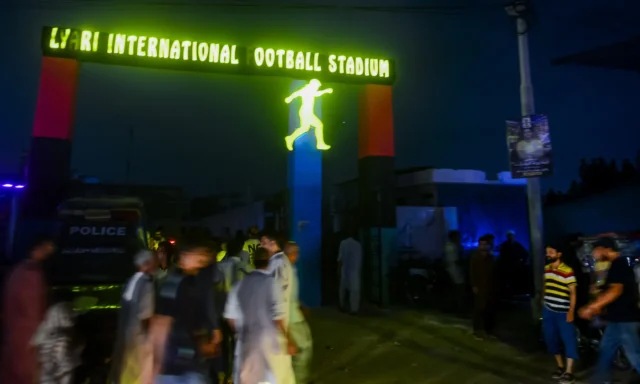
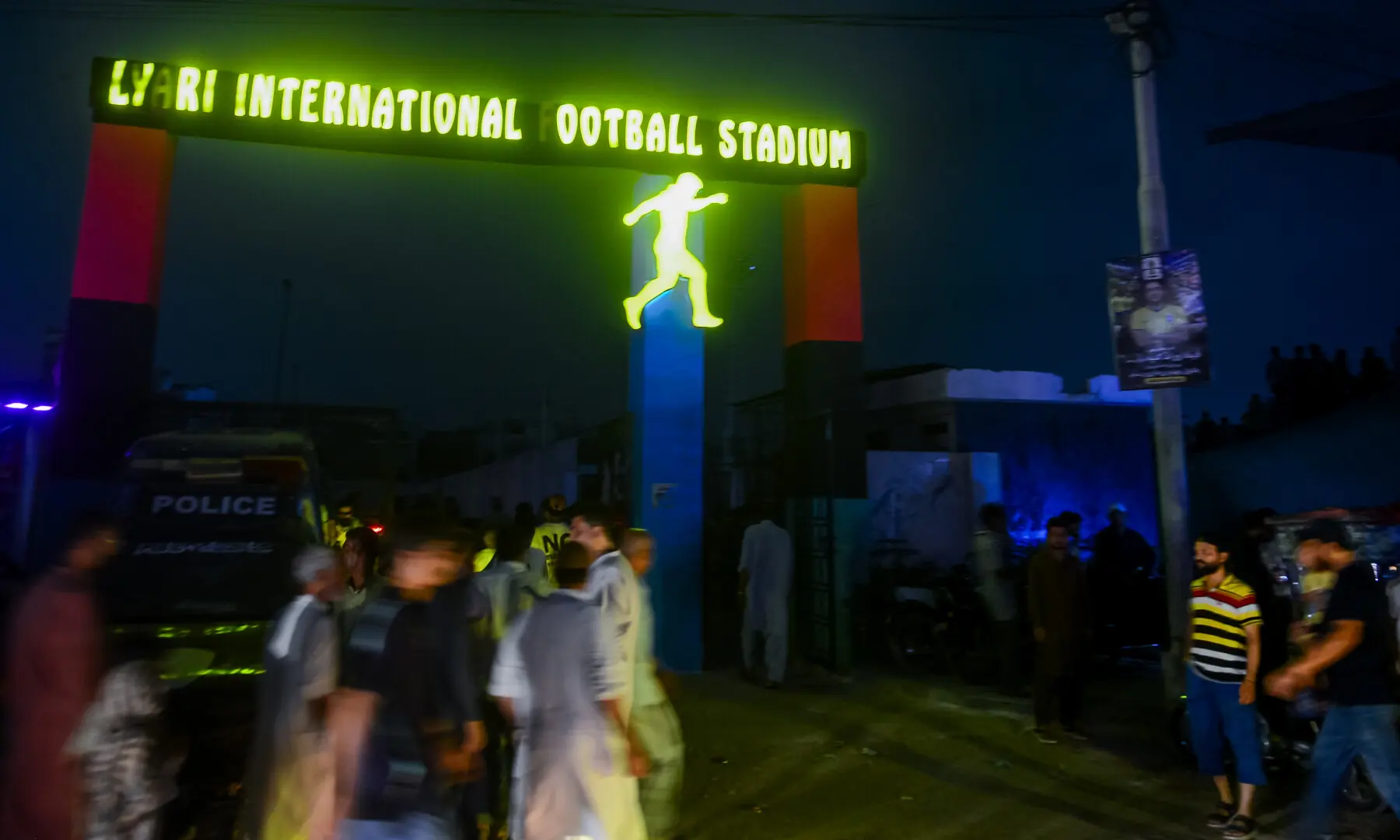
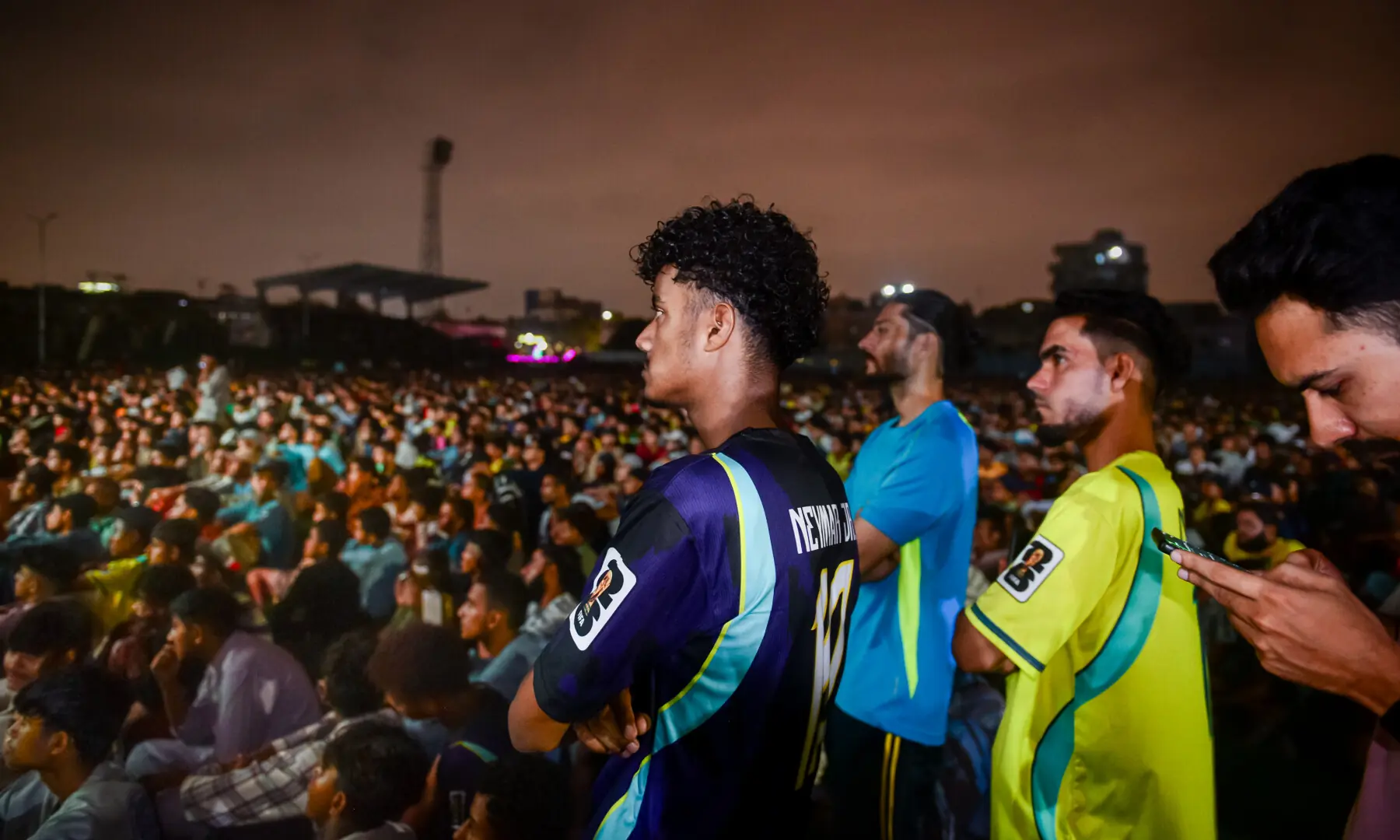
As Brazil and Japan clashed in a thrilling FIFA knockout game on Monday, fans in Karachi’s Lyari neighbourhood held their breath to see which team would advance to the last 16.
Football fanatics of all ages gathered at Lyari International Football Stadium for a jam-packed screening of the match played in Houston. Karachi Mayor Murtaza Wahab also joined them at the stadium, which has been hosting screenings of FIFA World Cup 2026 matches.
Brazil — which is widely favoured in Lyari, earning the area the nickname “Mini Brazil” — emerged victorious, leaving the stadium filled with joy as spectators celebrated.
Dawn takes a look at the scenes that played out during the tense match, where a 96th-minute goal by substitute Gabriel Martinelli helped Brazil secure its place in the last 16.
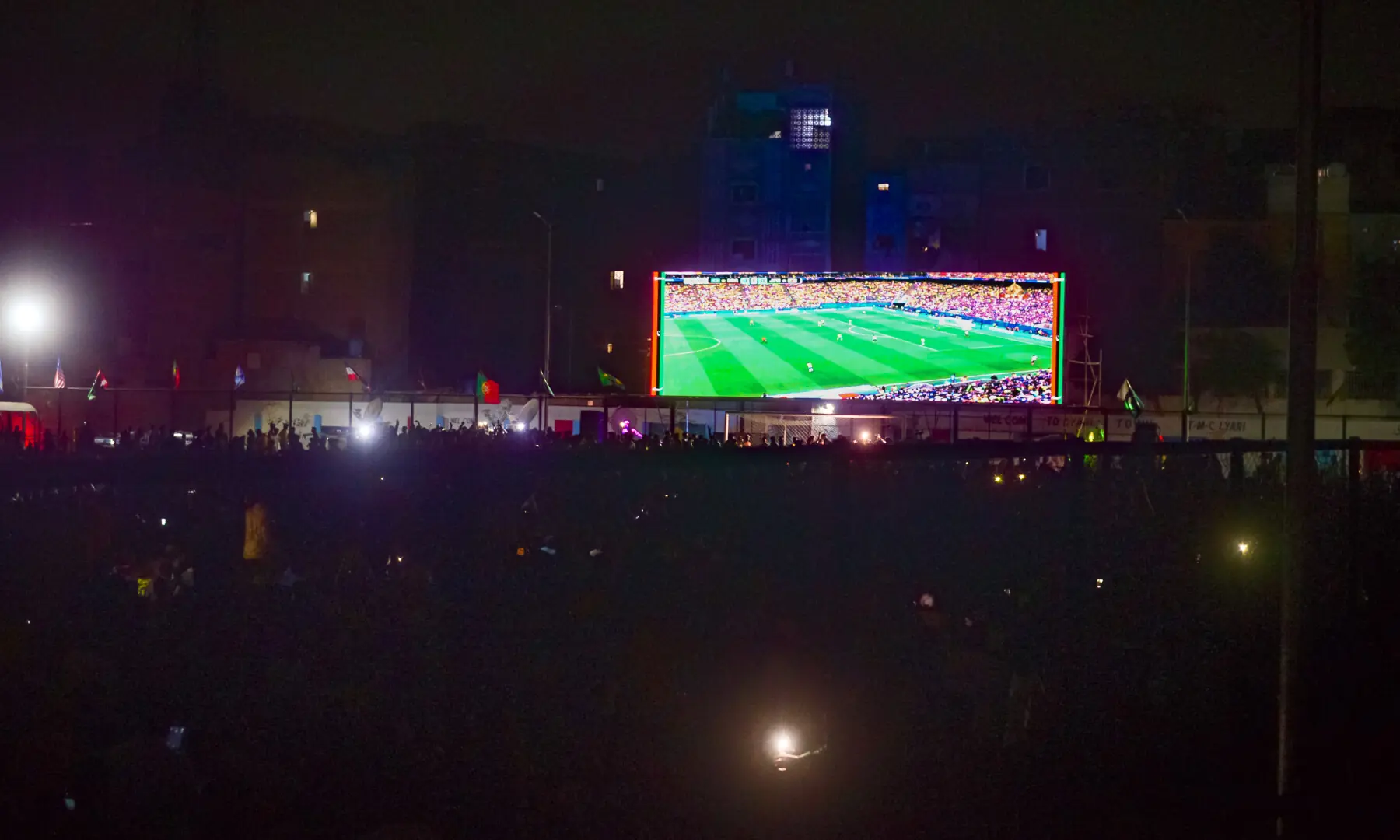
For most of the match, the LED screen was the sole source of light as the power supply was suspended, conveniently creating a theatre-like mood for the occasion.
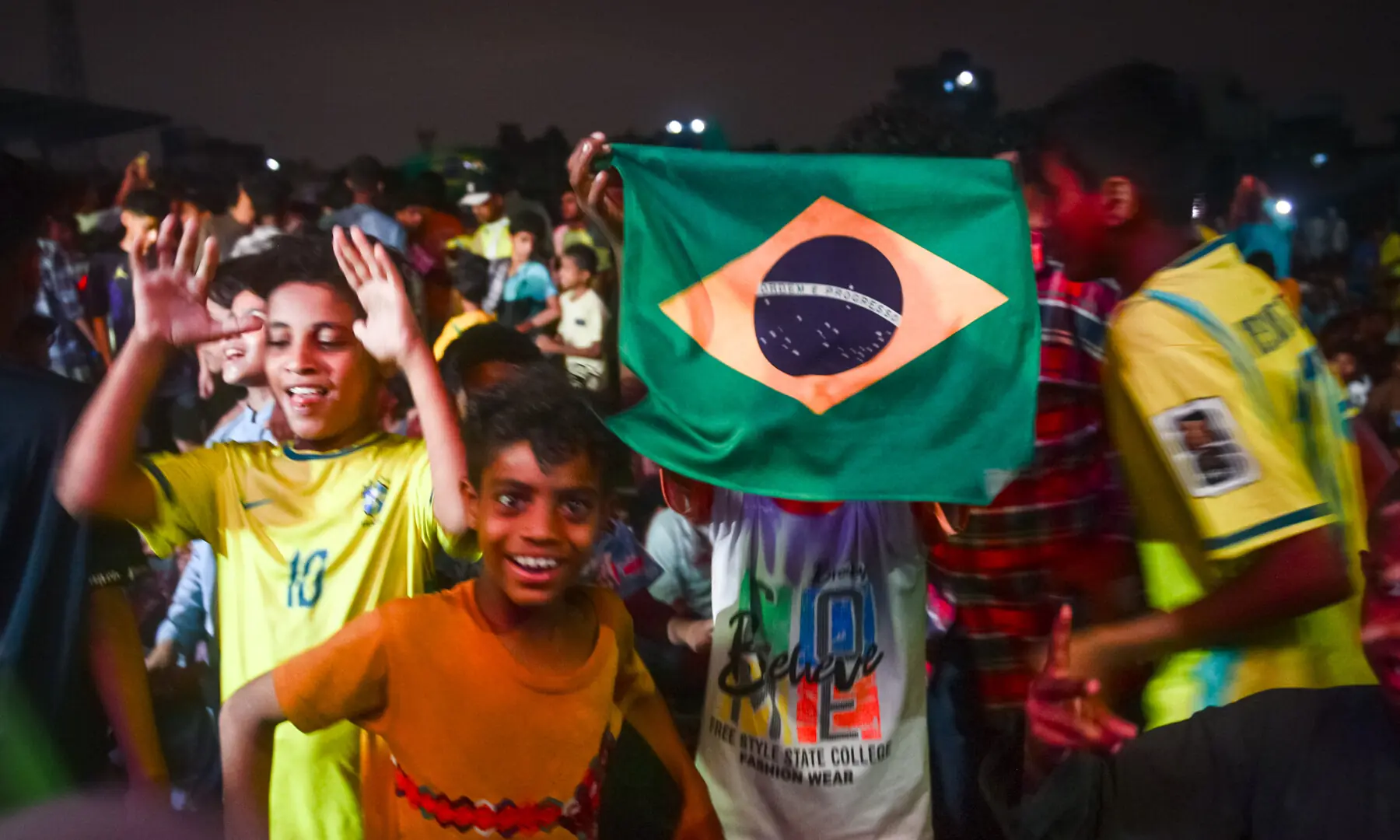
Yet, the scenes remained vibrant as Lyari’s passion for football showed through in the form of jerseys and flags filling the venue.
People of all ages came to the screening, with a large number of children among them, creating an energetic mood with their cheering.
And of course, Brazil — the five-time champions — were a popular choice for fans in “Mini Brazil”.
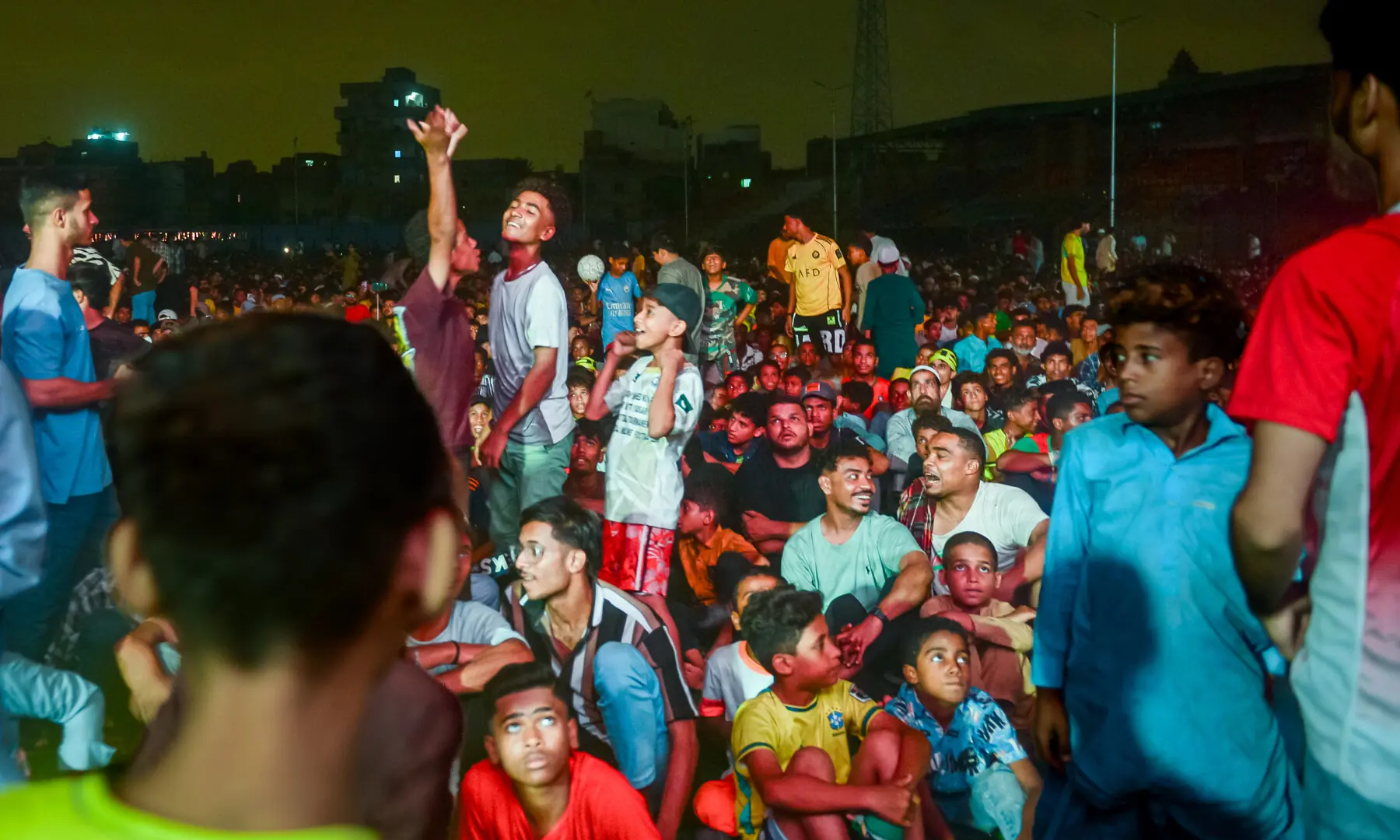

With many in the crowd supporting Brazil, the mood often reflected the situation the yellow shirts found themselves in.
When Japan midfielder Kaishu Sano scored a classy solo goal 29 minutes into the match — following a Brazilian mistake — fans could be seen reacting in despair.
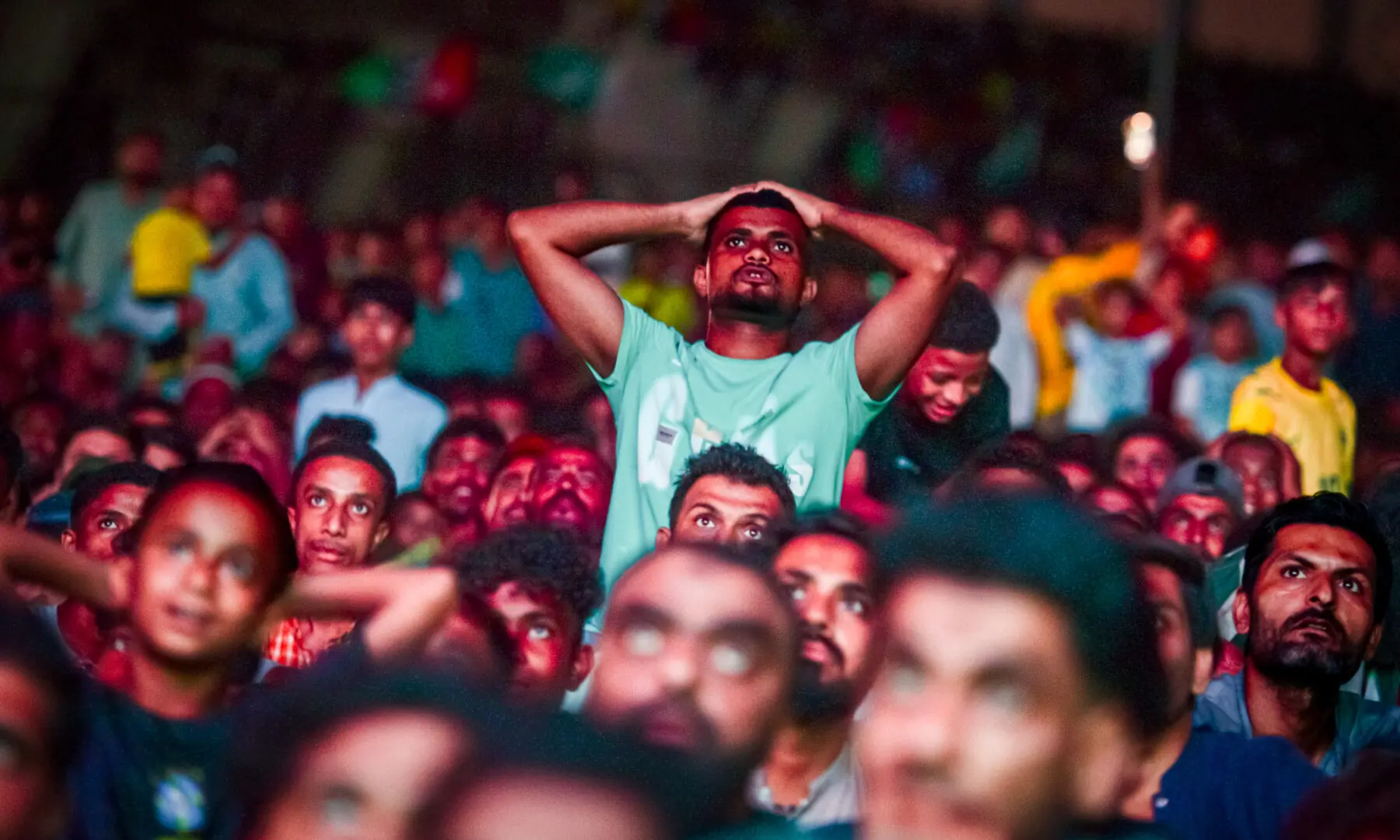
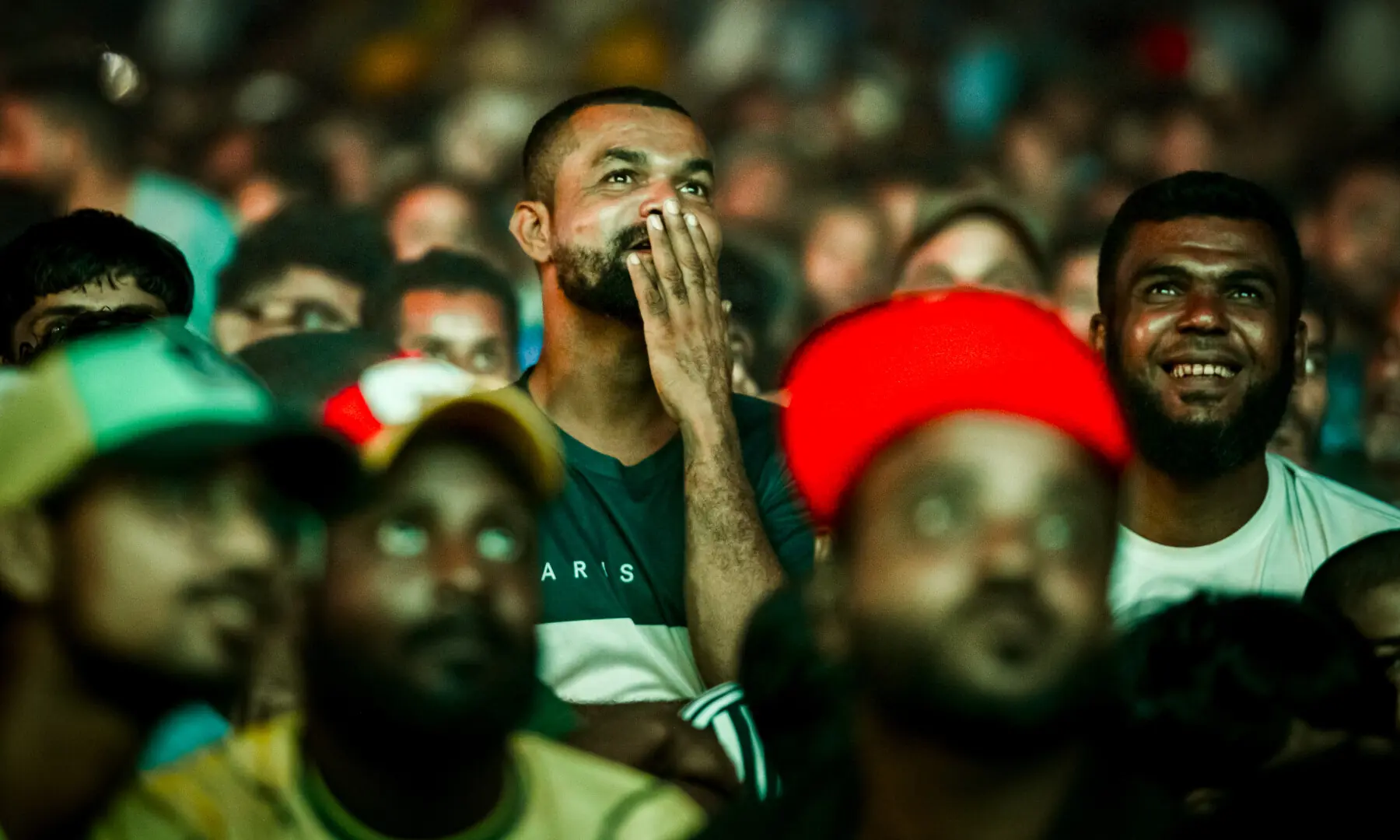
However, emotions soon shifted and smiles spread across many faces as Brazil dominated the second half.
Carlo Ancelotti’s side struck back in the 56th minute, with a header from veteran Casemiro levelling the score at 1-1.
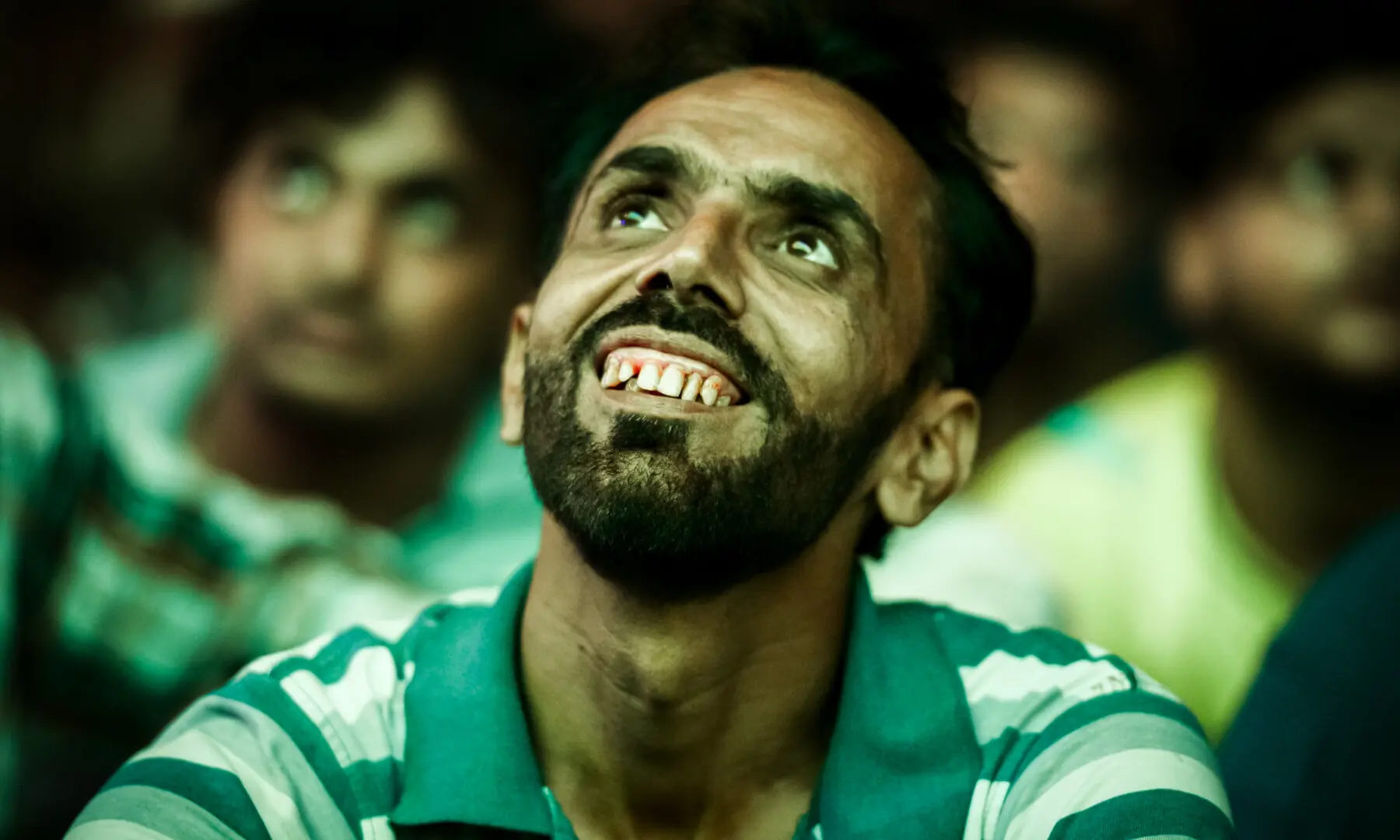
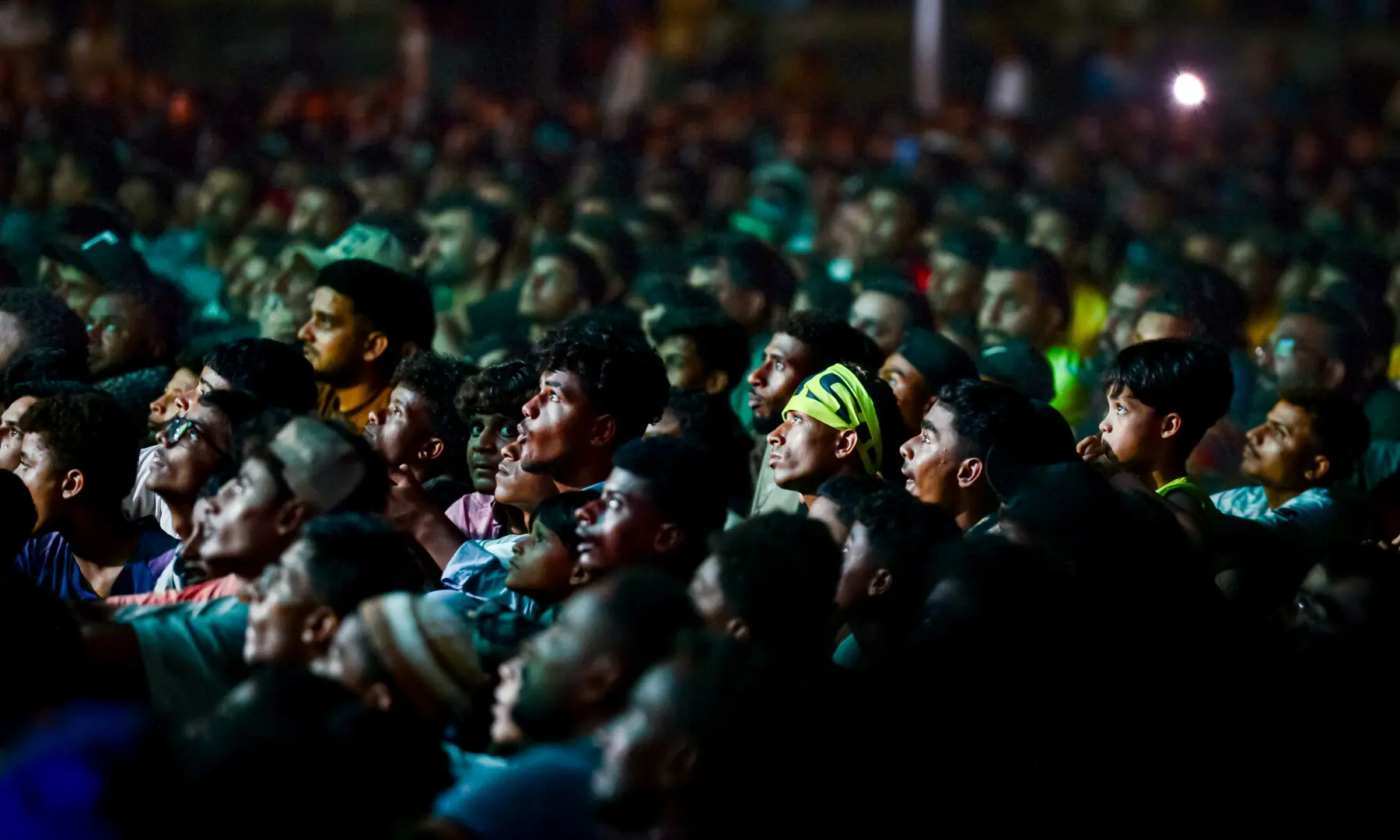
It was all Brazil thereafter as they pushed for a late winner, with Vinicius Junior — who had scored four times in the group stage — increasingly in the thick of the action.
Then came Martinelli’s late intervention, as he side-footed home from five metres out in the 96th minute to put Brazil 2-1 ahead.
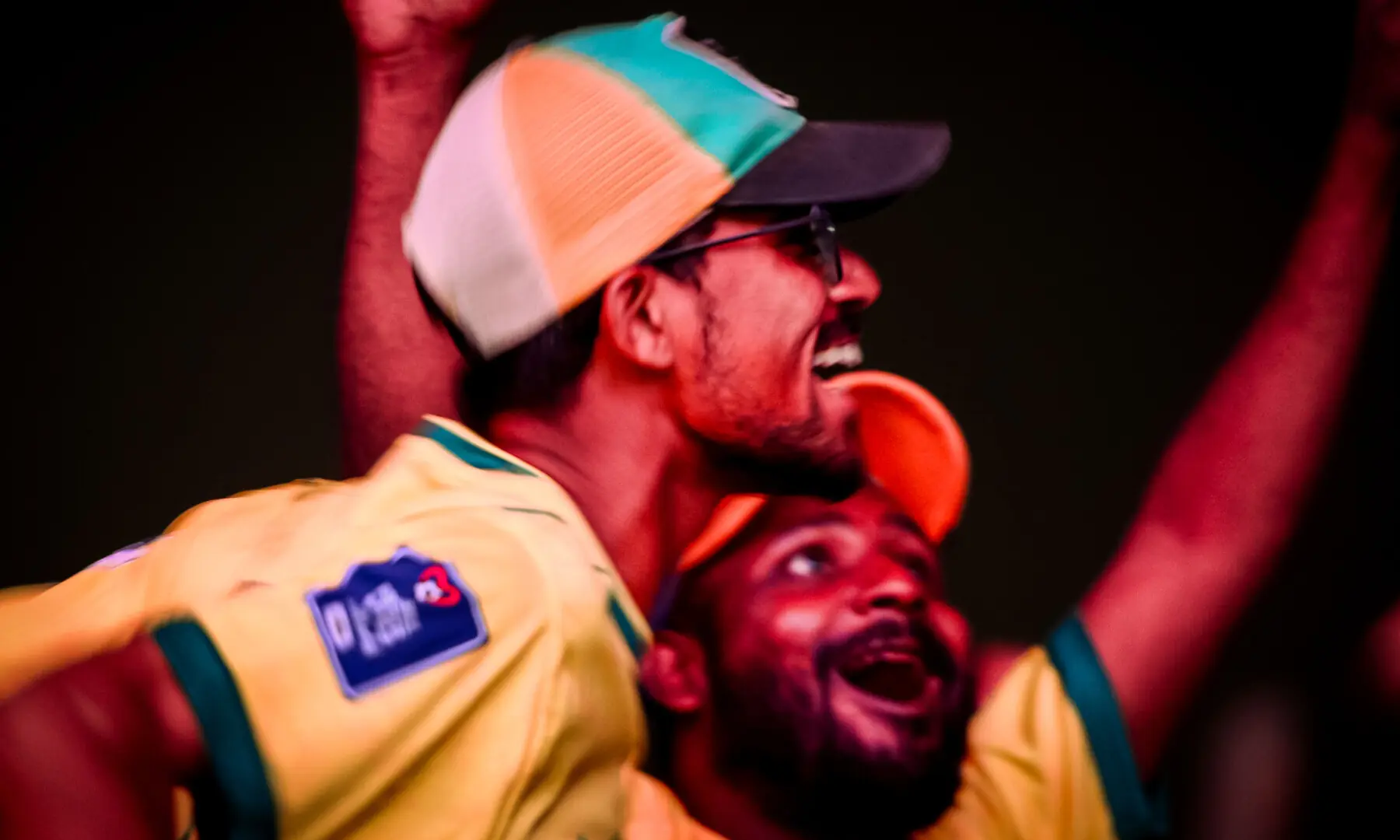
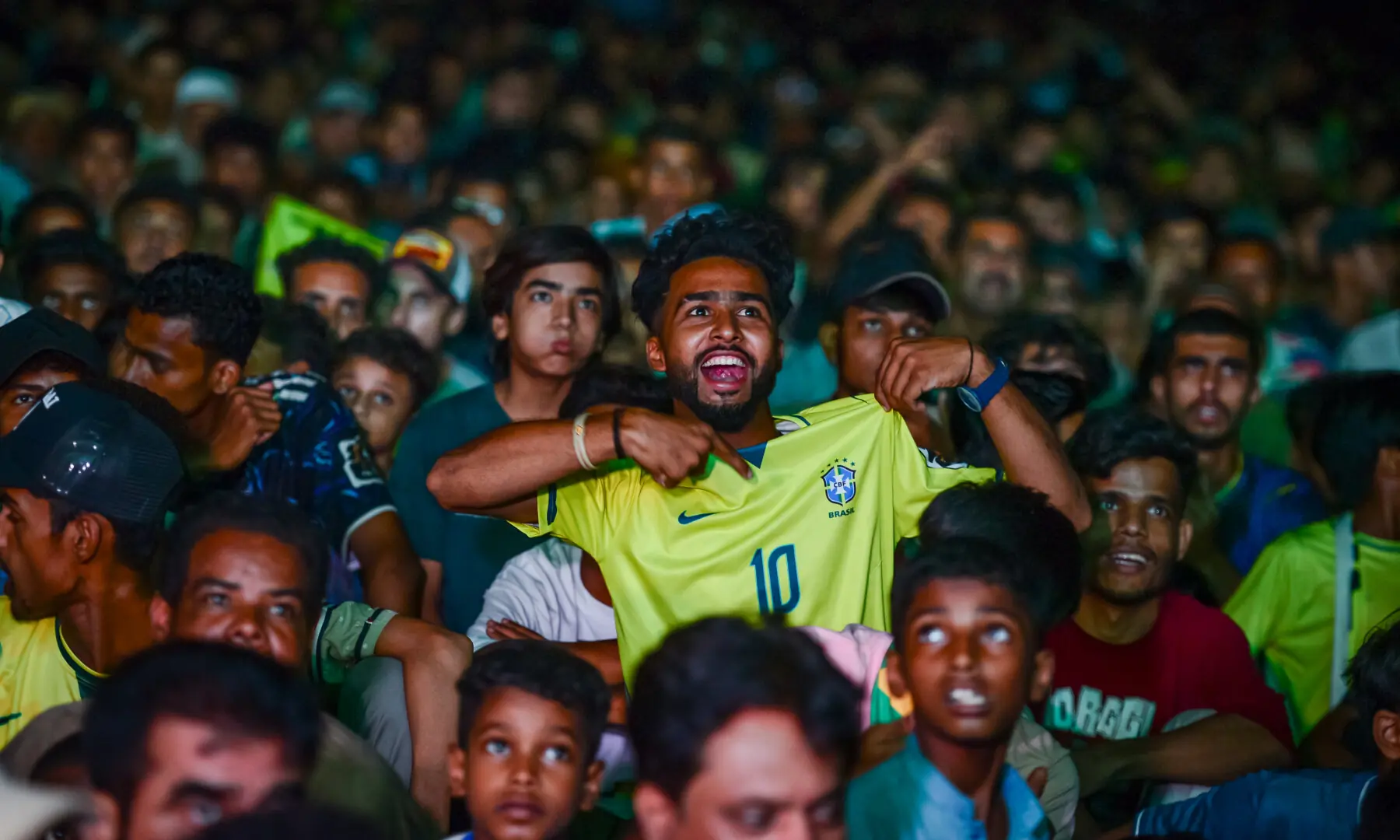
Loud cheers echoed through the stadium as the favourites secured their place in the last 16.
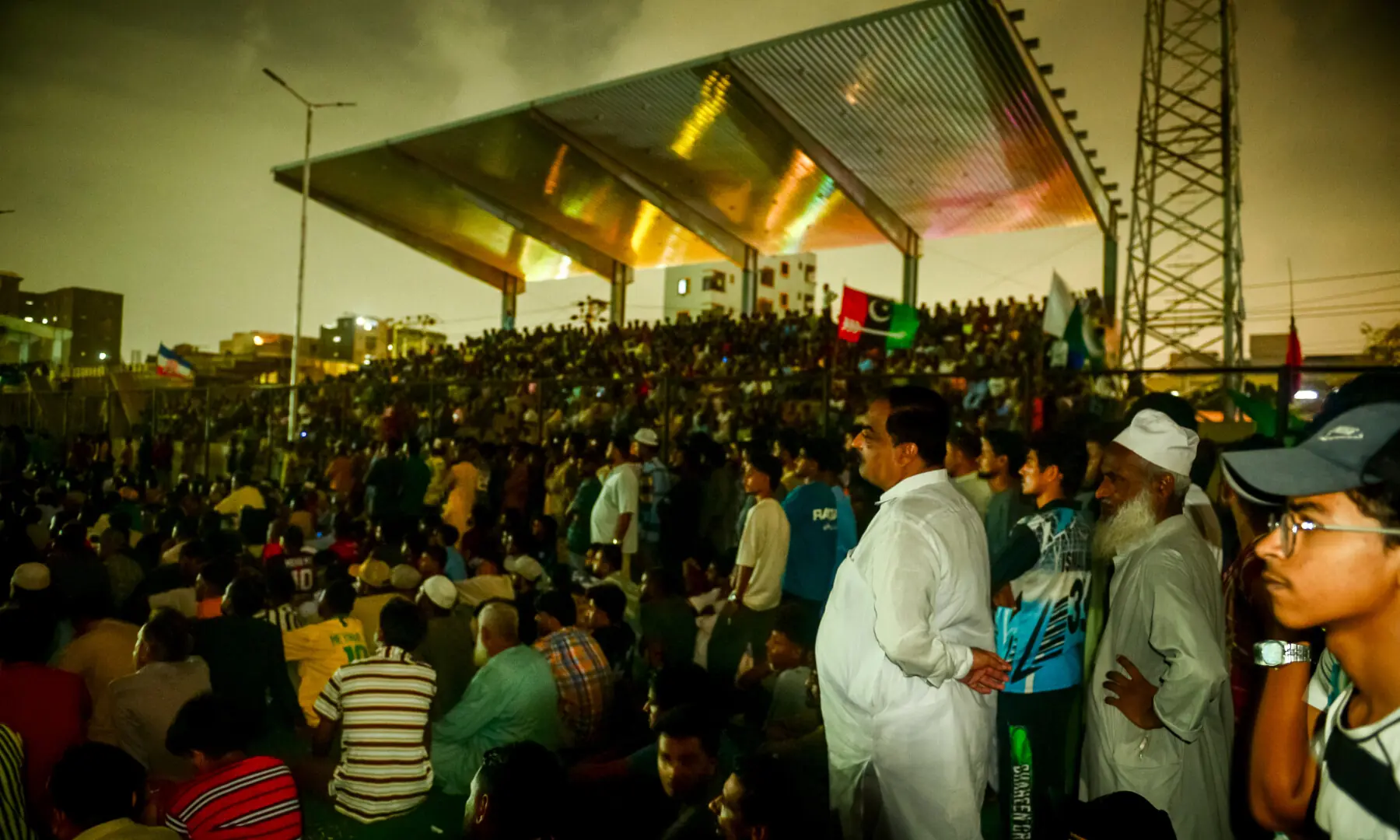
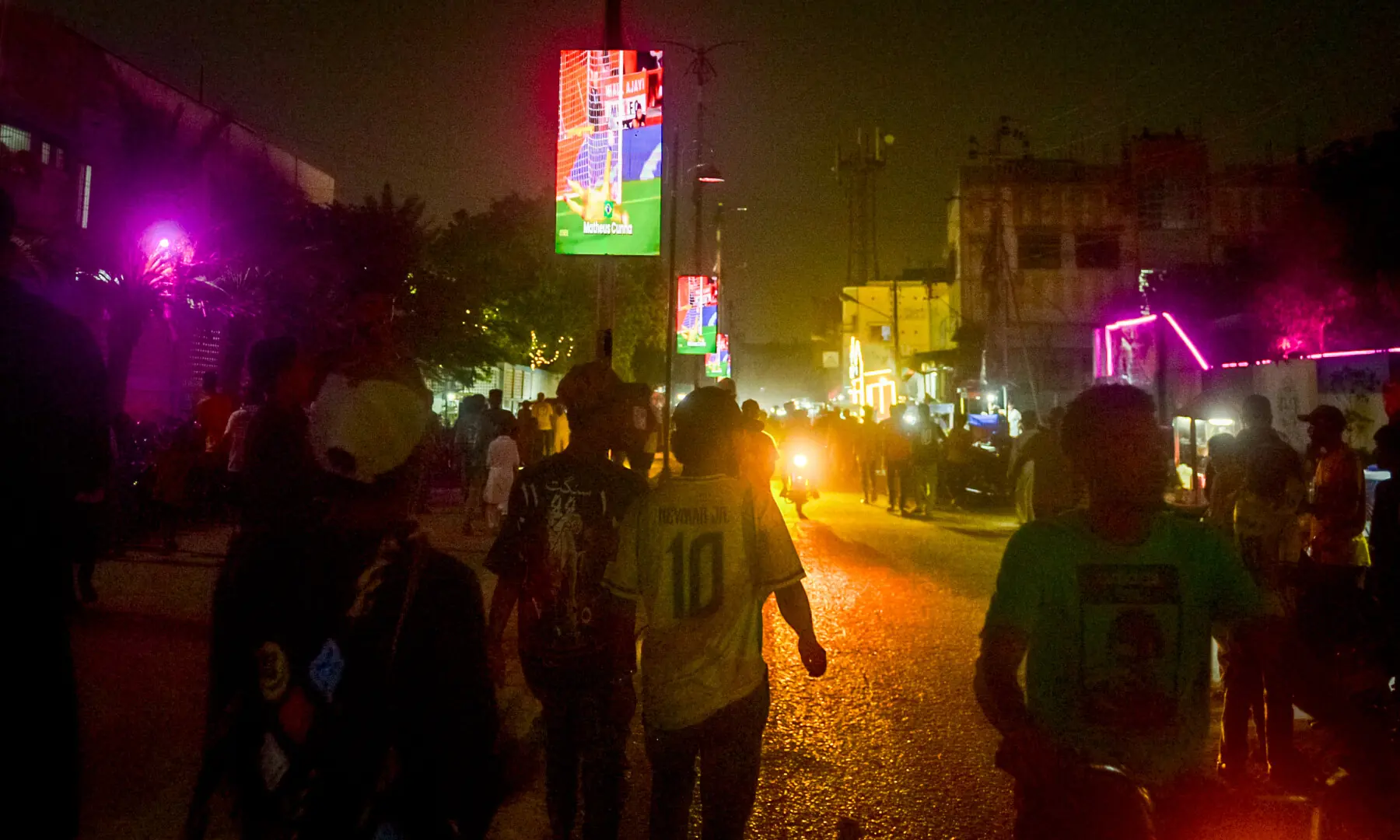
As fans headed home after the celebrations, the streets of Lyari reflected their deep passion for football.
Brazil supporters in yellow jerseys walked home with pride, while those cheering for Japan looked forward to other matches to express their love for the game.
Header image: A child holds a flag of Brazil during a screening of the FIFA World Cup match between Brazil and Japan at Lyari International Football Stadium in Karachi on June 29, 2026. — Tahir Jamal
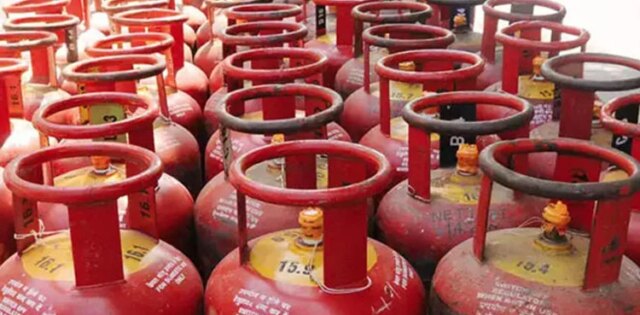
ISLAMABAD: The Oil and Gas Regulatory Authority (OGRA) has reduced liquefied petroleum gas (LPG) prices across Pakistan for the month of July, ARY News reported.
According to details, LPG price has been cut by Rs67.33 per kg. The new price has been reduced from Rs308.76 to Rs241.43 per kg.
The price of an 11.8 kg domestic cylinder has also decreased by Rs794.50, bringing it down from Rs3643.41 to Rs2848.91.
OGRA has issued the official notification for the revised LPG prices for July.
Earlier, the federal government established a Petroleum Prices Stabilisation Fund (PPSF) to help manage fluctuations in petroleum product prices.
The Ministry of Finance on Tuesday issued a notification creating a new head of account for the fund, following the federal cabinet’s approval on June 5.
According to the notification, all proceeds received under the Petroleum Prices Stabilisation Fund will be credited to the Public Account of the Federation under the major head “Special Deposit Fund.” A separate account head and object code have also been allocated for the fund.
The notification stated that the operational framework, including the rules and procedures for managing the fund, will be jointly developed by the Finance Division, Petroleum Division, and the Oil and Gas Regulatory Authority (OGRA) in line with legal and financial requirements. The necessary approvals for the mechanism will be obtained separately.
Copies of the notification have been sent to the Auditor General of Pakistan, Controller General of Accounts, Accountant General Pakistan Revenues, and the accountants general of Punjab, Sindh, Khyber Pakhtunkhwa, and Balochistan for implementation.
Also Read: LPG prices in Pakistan- June 1, 2026 update
Beijing’s moves have included flying bombers near Japan, detaining businesspeople and restricting the exports of rare earths.
VEVEY, Switzerland, June 30: Nestle plans to remove artificial food colourings from all products worldwide by the end of 2026, a senior executive told Reuters on Tuesday, making it the first major food company to take such a step.
The previously unreported target comes as food companies face mounting pressure to offer healthier products amid the rapid rise of GLP-1 weight-loss drugs and growing consumer scrutiny of food ingredients.
It extends Nestle’s efforts beyond the United States, where it has already eliminated artificial colourings from its portfolio.
“By the end of the year we will have the global Nestle portfolio free of artificial colours,” Stefan Palzer, Nestle’s technology chief, told Reuters in an exclusive interview at the firm’s Swiss headquarters in Vevey.
Food manufacturers and retailers have increasingly moved to strip out ingredients such as FD&C synthetic dyes and sweeteners including corn syrup from their products.
Amid investor concerns that packaged food companies could lose out as consumers shift towards healthier diets, Nestle has increasingly focused on products aimed at weight-conscious consumers and those concerned about processed foods.
“It was not a slam-dunk,” Palzer said of the decision, adding that Nestle had spent years investing in the transition.
“We had to do a lot of R&D work because you have to screen all the natural solutions then you have to test those natural solutions during production, and then also test their shelf-life.”
“We did it because consumers don’t appreciate artificial ingredients. They want simpler recipes.”
U.S. Health Secretary Robert F Kennedy Jr and the Food and Drug Administration said in April last year that the agency aims to remove ingredients including artificial food colourings, citing concerns over possible links to conditions such as ADHD, obesity and diabetes, although many scientists say more research is needed.
The blast seriously injured three people, including a child, according to the authorities, who said the assailant was on the run.
The case against Nadiem Makarim, a co-founder of Gojek, has fueled concerns about judicial fairness in a nation where foreign investors were already growing wary.
Sergei Sobyanin said the Russian military had shot down more than 60 drones. He did not report any injuries.